
March 2026
An independent examination report
Provincial Support for the Village of Lytton’s Wildfire Recovery


623 Fort Street
Victoria, B.C.
V8W 1G1
The Honourable Raj Chouhan
Speaker of the Legislative Assembly
Province of British Columbia
Parliament Buildings
Victoria, British Columbia
V8V 1X4
Dear Mr. Speaker:
I have the honour to transmit to the Speaker of the Legislative Assembly of British Columbia the report Provincial Support for the Village of Lytton’s Wildfire Recovery.
We conducted this examination under the authority of Section 13 of the Auditor General Act.

Bridget Parrish, CPA, CA
Auditor General of British Columbia
Victoria, B.C.
March 2026
Examination at a glance
Why we did this examination
- On June 30, 2021, a wildfire destroyed 90 per cent of the Village of Lytton and 45 homes and several buildings in three Lytton First Nation reserves. Two people lost their lives, and several thousand people lost their service centre, including the grocery store, bank, post office, school, and health centre.
- The devastation was overwhelming. The land was covered in debris and ash containing asbestos, heavy metals, and other contaminants.
- The fire destroyed the village’s electrical infrastructure and it worsened pre-existing water and sewer systems issues. Nearly all municipal records, including building and planning bylaws, were destroyed.
- The subsequent recovery was complex and required support from all levels of government. The Ministry of Emergency Management and Climate Readiness was responsible for leading provincial support for the village’s recovery.
- We carried out this examination in response to concerns raised by the public and Members of the Legislative Assembly about the progress and cost of recovery in the village.
Our examination
Our examination focused on the Province of B.C.’s role in the Village of Lytton’s ongoing recovery from the 2021 wildfire. Our report:
- identifies challenges experienced by the province while supporting and funding the
- village’s recovery;
- summarizes provisions of the new Emergency and Disaster Management Act that apply to disaster recovery in small municipalities; and
- provides areas for the province to consider as it develops policies and guidance for implementing its new emergency management framework.
Examination period: June 30, 2021 to March 31, 2025.
Challenges experienced by the province
Supporting the Village of Lytton’s complex and unprecedented recovery needs
- At the time of the fire, the province did not have a comprehensive legal framework to guide disaster recovery, and its funding mechanisms did not anticipate the scale of the village’s needs.
- The province expected the village to lead its own recovery, but the village lacked staff and funds to do this. Most of the residents didn’t have fire insurance or were underinsured.
- The province ultimately funded the village’s core government operations and the complex remediation work that was needed before rebuilding.
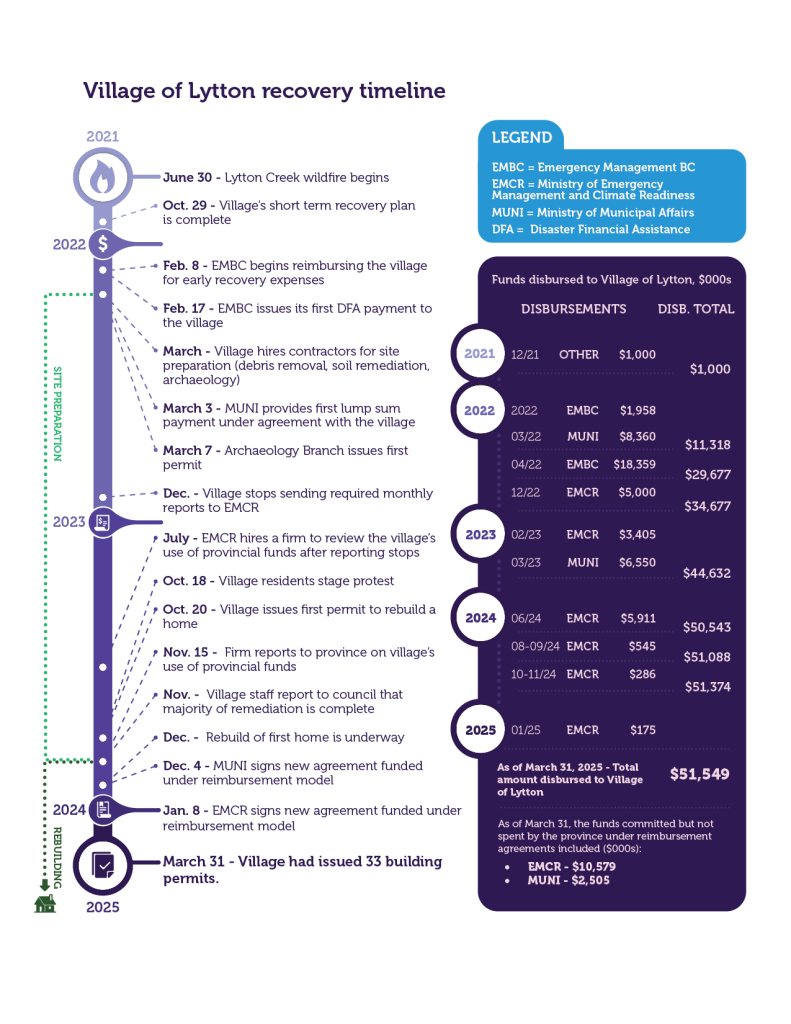
- By the end of our examination period (March 2025), 33 residential and other building permits had been issued by the Village of Lytton.
Ensuring Nlaka’pamux were partners in the Village of Lytton’s recovery
- The Nlaka’pamux have Aboriginal title and rights in their territory, which includes the Village of Lytton.
- At the time of the fire, the Emergency Program Act was silent on the role of Indigenous Peoples in emergency management.
- The province was unable to facilitate a collaborative recovery partnership between the Nlaka’pamux governing bodies and the municipality.
- This lack of collaboration was a missed opportunity for the village and the province.
- The archaeological work was a significant source of tension in the community. The province could not mitigate the tension despite providing funds to the village to offset the costs.
Providing oversight of the Village of Lytton’s recovery activities funded by the province
- The province set up a series of funding agreements with the village that committed over $60 million to recovery activities.
- Initially, the province provided the funding in lump sums. The village was expected to report back on its recovery activities funded by the province.
- Between 2022 and 2023, the village did not provide the province with all required progress and spending reports.
- In 2023, a firm, hired by the province to review the village’s use of provincial funds, found the village lacked capacity to manage the complex contracts needed for the recovery work.
- In 2024, the province implemented a new funding agreement requiring the village to submit receipts for reimbursement, and meet expectations for conducting recovery work, such as engaging with Nlaka’pamux governing bodies.
- As of March 2025, the village had provided all required reporting under the new funding agreement.
Subsequent related changes to provincial emergency legislation
In November 2023, the province passed the Emergency and Disaster Management Act. The act includes provisions applicable to disaster recovery in small municipalities like the Village of Lytton, such as:
- recovery powers for both local authorities and the province; and
- requirements for local authorities to work with Indigenous governing bodies on emergency plans.
Considerations for the development of emergency management policies and guidance
Our report identifies areas that the province may wish to consider as it develops policies and guidance to support its implementation of the Emergency and Disaster Management Act. Areas for consideration include:
- anticipating disaster recovery in communities with low cash reserves;
- developing agreements under the act with Indigenous governing bodies; and
- developing a framework for assessing a local government’s capacity to lead its own disaster recovery.
Background
The Village of Lytton is a small municipality located on the unceded territory of the Nlaka’pamux and within the Thompson-Nicola Regional District.
The Nlaka’pamux
The Nlaka’pamux have lived along the Fraser and Thompson Rivers for thousands of years. The site where the village now stands was a place where people lived, described by Chief Spintlum1 at the time of the Gold Rush as the centre of the Nlaka’pamux homeland. The Nlaka‘pamuxcin name for the area is Tl’kémtsin.
After colonization, the Nlaka’pamux were forcefully divided by the federal government into approximately 15 bands, including the Lytton First Nation.
Prior to the fire, the village was a service hub for many residents living in neighbouring communities, including Nlaka’pamux reserves and unincorporated areas represented by the Thompson-Nicola Regional District. Several thousand people relied on the village’s grocery store, bank, post office, school, health centre, and RCMP detachment.
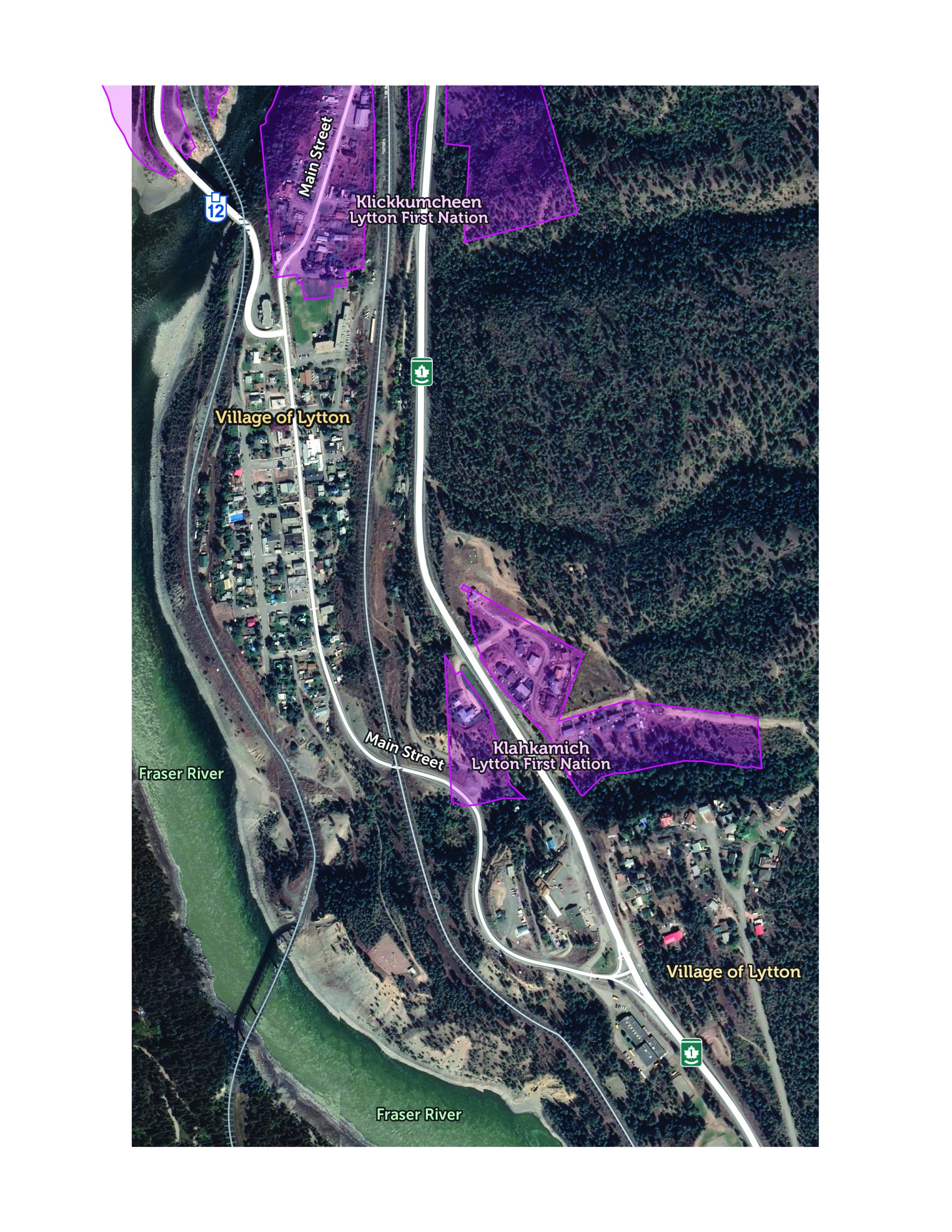
The village had service agreements to provide water, sewer and fire protection to the Lytton First Nation reserves (Klickkumcheen and Klahkamich), located immediately next to the village. The village also had service agreements to provide fire protection to the Skuppah and Siska First Nations.
At the time of the fire, there were 210 people living in the village, including approximately 80 Nlaka’pamux.
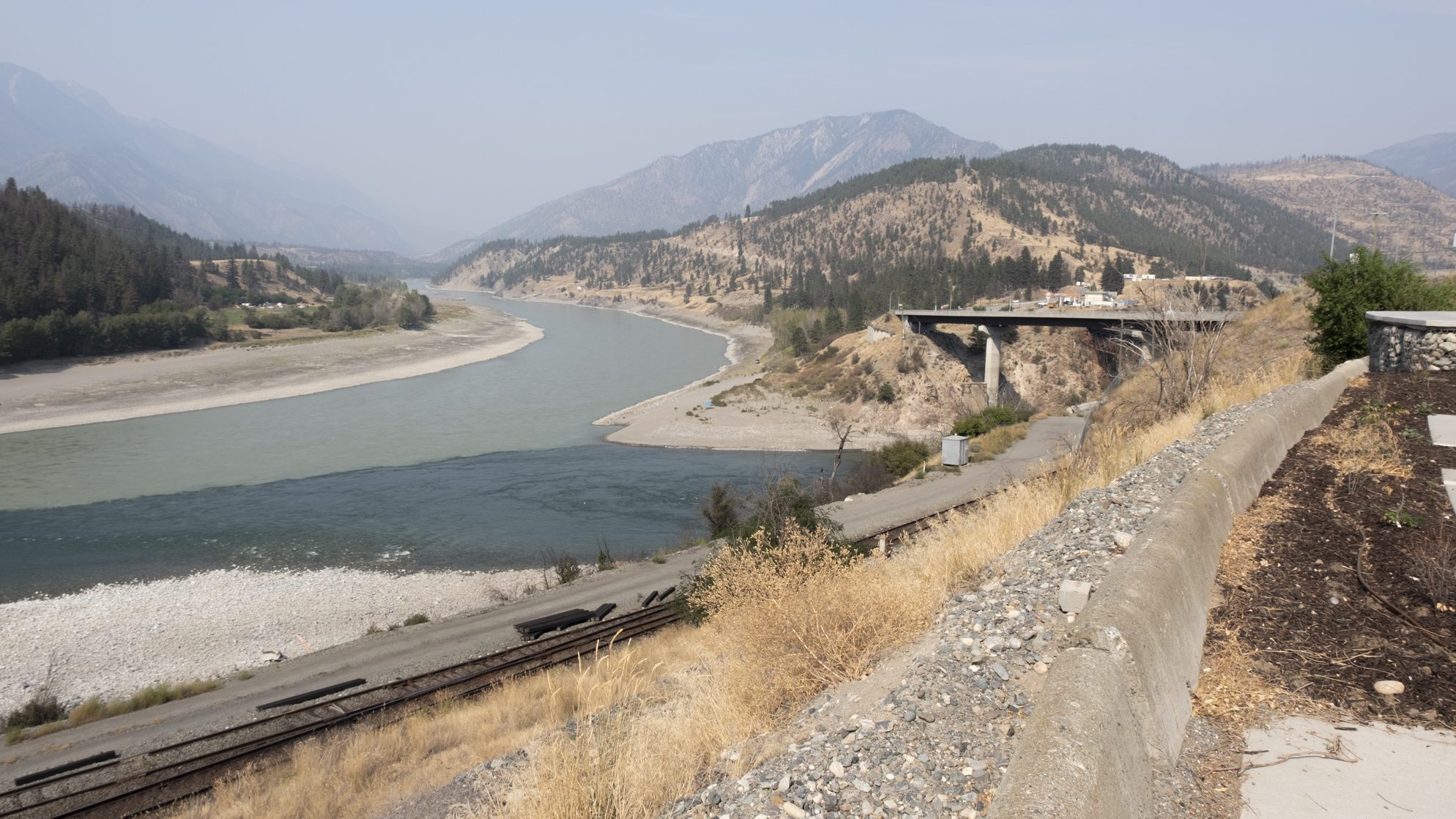
Source: Calvin Jones
The Village of Lytton was a service hub for residents in neighbouring communities
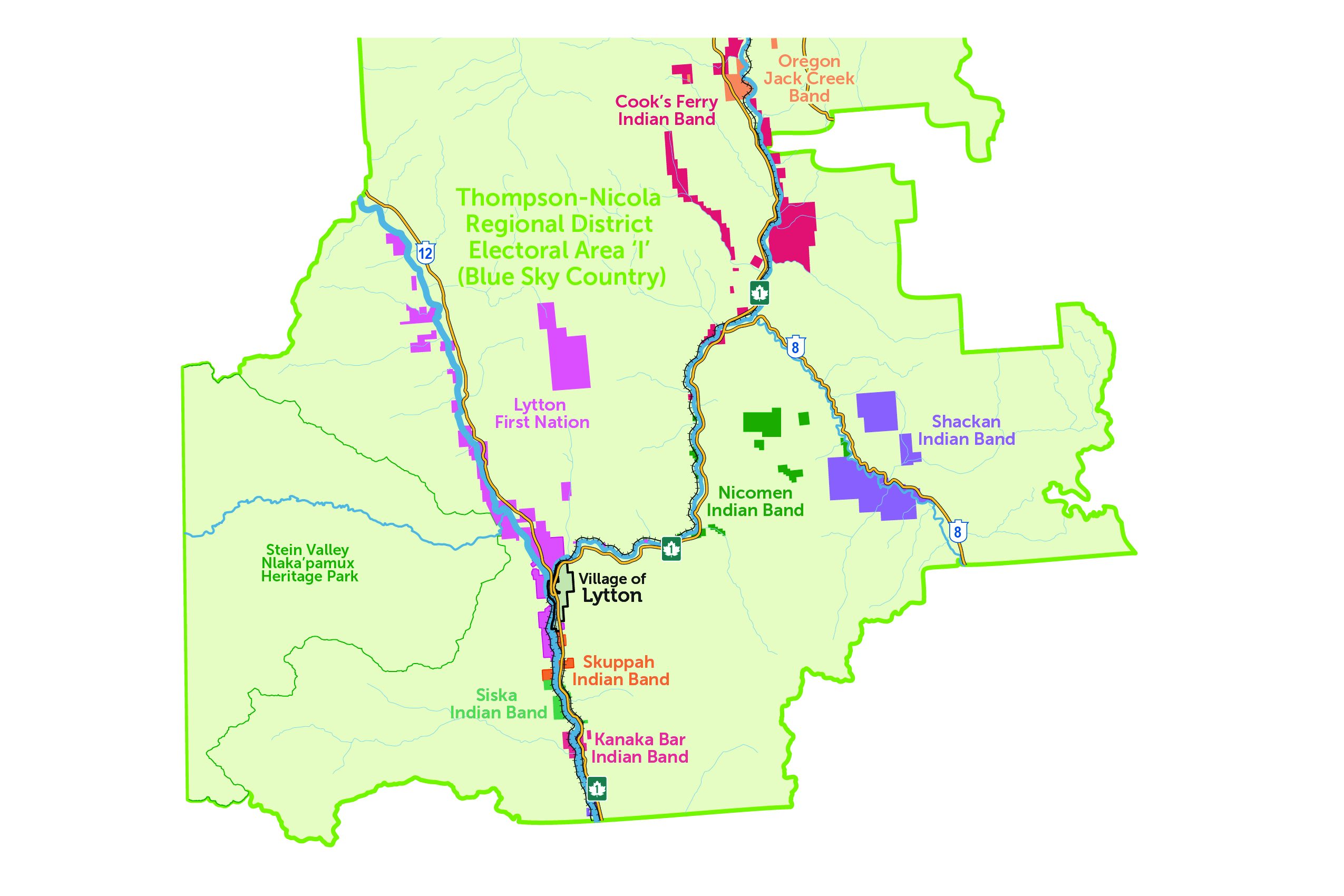
Source: Office of the Auditor General of B.C.
Lytton Creek wildfire
After a period of record-breaking temperatures and a heat dome, the Lytton Creek wildfire started immediately south of the village on June 30, 2021. The village was mostly destroyed by the wildfire, particularly in its core area where most of the homes and businesses were located. Some outlying areas were spared.
Two people lost their lives and many of the village’s 210 residents lost their homes. The wildfire also destroyed about 45 homes, the band office, a memorial hall and church in three Lytton First Nation reserves, and buildings on approximately 12 properties in the Thompson-Nicola Regional District.
Many people were displaced and those who did not lose homes still lost their service hub. The impact on thousands of people in the region was catastrophic.
Not only were 90 per cent of the village’s buildings destroyed, but the land was covered in debris and contaminated by soot and ash containing asbestos, heavy metals (including lead) and other contaminants. The fire destroyed the village’s electrical infrastructure and exacerbated pre-existing issues with its water and sewer systems. In addition, the fire destroyed nearly all municipal records, including building and planning bylaws. The municipality’s back-up data server was also lost.
The village’s elected officials and staff lacked disaster recovery experience and there was no engineer, planner or recovery lead on staff. They were immediately overwhelmed by the magnitude of devastation.
The phases of emergency management
There are four phases of emergency management: mitigation, preparedness, response, and recovery.
The four phases of emergency management
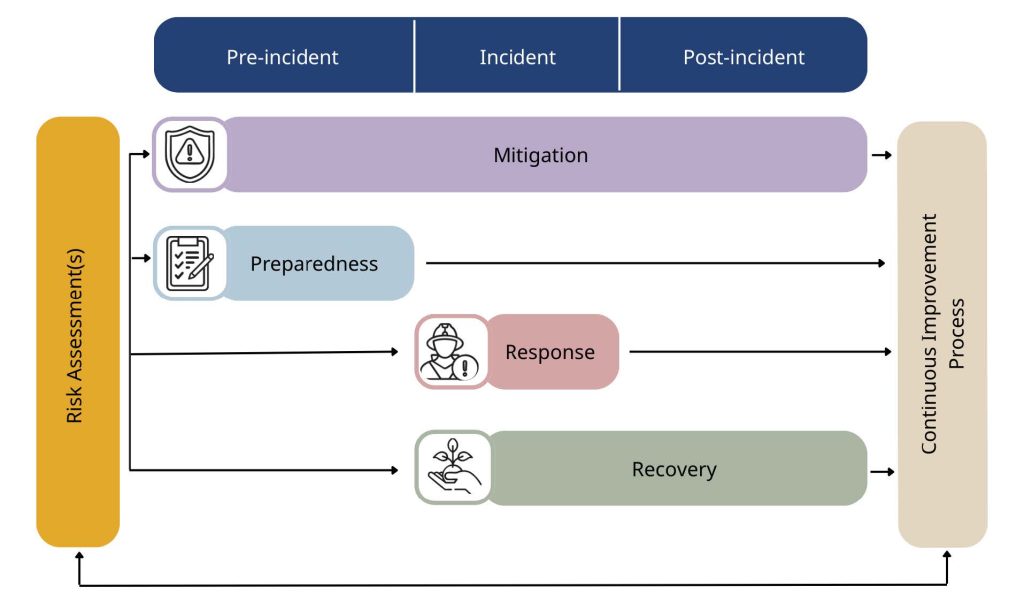
Source: Ministry of Emergency Management and Climate Readiness
When the Lytton Creek wildfire occurred, the province had started modernizing the Emergency Program Act. The decades-old statute focused on emergency response (e.g., actions in response to an imminent or occurring emergency). It did not provide a comprehensive legal framework that established responsibilities for managing disaster recovery.
The province had introduced the Interim Provincial Disaster Recovery Framework in 2019 to guide recovery activities until new emergency legislation was developed. The recovery from the Lytton Creek wildfire was the first time the province operationalized the interim framework.
Disaster recovery phase
The recovery phase of emergency management includes steps and processes to repair communities affected by a disaster and restore conditions to an acceptable level. When feasible, it can lead to community improvements and increased resilience among individuals, families, organizations, and communities.
Responsibilities for emergency recovery from the Lytton Creek wildfire
The Lytton Creek wildfire did not distinguish between jurisdictions: it burned through a municipality and destroyed properties on three reserves, and in the regional district.
Responsibility for recovery in the region has been shared between provincial, federal, and local authorities, alongside Indigenous partners. The number of organizations involved added to the complexity of recovery efforts. Our examination focused on the province’s role in the Village of Lytton’s ongoing recovery from the wildfire.
Support for recovery in the Village of Lytton
Provincial government
In 2021, Emergency Management BC (now the Ministry of Emergency Management and Climate Readiness) was responsible for leading provincial emergency management activities and coordinating with other provincial bodies, such as ministries and health authorities.
The Village of Lytton’s recovery required Emergency Management BC to coordinate multiple ministries at different stages, including the ministries of:
- Housing and Municipal Affairs (Local Government Act);
- Forests/Archaeology Branch (Heritage Conservation Act); and
- Environment and Parks (Environmental Management Act).
The involvement of other provincial ministries was triggered by the nature of the emergency and applicable legislation. The ministries also participated on cross-sector recovery committees.
Federal government
Public Safety Canada partially reimbursed the province for its delivery of emergency management services to the village. Infrastructure Canada also committed funds to the village for construction of public buildings to be used by all community members.
Federal government
The Interim Provincial Disaster Recovery Framework stated that recovery was to be community led. Local authorities (defined in the Emergency Program Act as a municipal council, board of the regional district, or national park superintendent) were primarily responsible for managing emergency recovery activities within their jurisdictions. They were responsible for conducting a post-disaster assessment of the damage and recovery needs and, based on the assessment, developing a community recovery plan.
The interim framework emphasized that the province support, but not lead, community recovery. Provincial ministries could assist communities with the establishment of recovery structures and strategies and could deploy staff to support initial activities. However, the province’s role was to establish policy and coordination to support the community. The community was responsible for implementing its own recovery.
Following the Lytton Creek wildfire, the province attempted to support but not lead the village’s recovery.
Support for recovery on Lytton First Nation reserves
At the time of the Lytton Creek wildfire, the Emergency Program Act was silent regarding the involvement of Indigenous Peoples. However, the province’s Interim Provincial Disaster Recovery Framework laid out the responsibilities for emergency recovery on First Nation reserves.
Indigenous Services Canada was mandated to fulfill the federal government’s responsibilities to Indigenous Peoples, including the provision of emergency management funds. Indigenous Services Canada directly funded Lytton First Nation’s on-reserve disaster recovery after the wildfire. Through a delegated agreement, Emergency Management BC worked with Indigenous Services Canada and First Nations to coordinate on-reserve emergency management activities and deliver Disaster Financial Assistance.
First Nations were responsible for taking the necessary actions to ensure their communities or properties were restored to pre-disaster condition.
The Interim Provincial Disaster Recovery Framework stated that the relationship between Emergency Management BC and First Nations was based on mutual respect and, in the spirit of reconciliation, strived for true partnership and collaboration.
Commitment to work with Indigenous partners on recovery from the Lytton Creek wildfire
On July 10, 2021, 10 days after the wildfire, the federal and provincial governments issued a joint letter to the Nlaka’pamux Nation Tribal Council (a governing entity responsible for advancing title and rights). The tribal council represents the interests of four Nlaka’pamux bands, including the Lytton First Nation, and is not a provincially or federally regulated body.
The joint letter included a commitment to work to “advance reconciliation and renew the relationship with Indigenous Peoples based on affirmation of rights, respect, cooperation and partnership.” It also included a list of commitments regarding how the federal and provincial governments would work with the tribal council on the recovery from the Lytton Creek wildfire.
On July 11, 2021, the federal and provincial governments each sent separate follow-up letters identifying how they would specifically work with the tribal council and the Lytton First Nation on recovery.
The commitment letters recognized the Nlaka’pamux Nation’s title and rights in its territory and committed to implement the standards of the United Nations Declaration on the Rights of Indigenous Peoples in all aspects of working together on actions described in the letters.
Our examination
We examined the Province of B.C.’s role in the Village of Lytton’s ongoing recovery from the 2021 wildfire. Our work focused on the:
- province’s role and responsibilities for disaster recovery (as defined in legislation and policy);
- resources and support the province provided to the village for recovery; and
- challenges faced in rebuilding the village, and the province’s opportunities for improvement.
We carried out this examination in response to concerns raised by the public and Members of the Legislative Assembly about the progress and cost of recovery in the village.
Our report:
- identifies challenges experienced by the province while supporting and funding the village’s recovery;
- summarizes provisions within the new Emergency and Disaster Management Act (2023) that apply to disaster recovery in small municipalities like the village; and
- provides areas for the province to consider as it develops policies and guidance to support its implementation of the new emergency management framework.
The time period of the examination was from June 30, 2021, to March 31, 2025. This period allowed us to look at actions taken immediately following the fire and more recently.
Challenges experienced by the province during the recovery
We found that the provincial government’s role in the Village of Lytton’s recovery process was challenged in three areas:
- Supporting the village’s complex and unprecedented recovery needs.
- Ensuring Nlaka’pamux were partners in the village’s recovery.
- Providing oversight of the village’s recovery activities funded by the province.
1. Supporting the Village of Lytton’s complex and unprecedented recovery needs
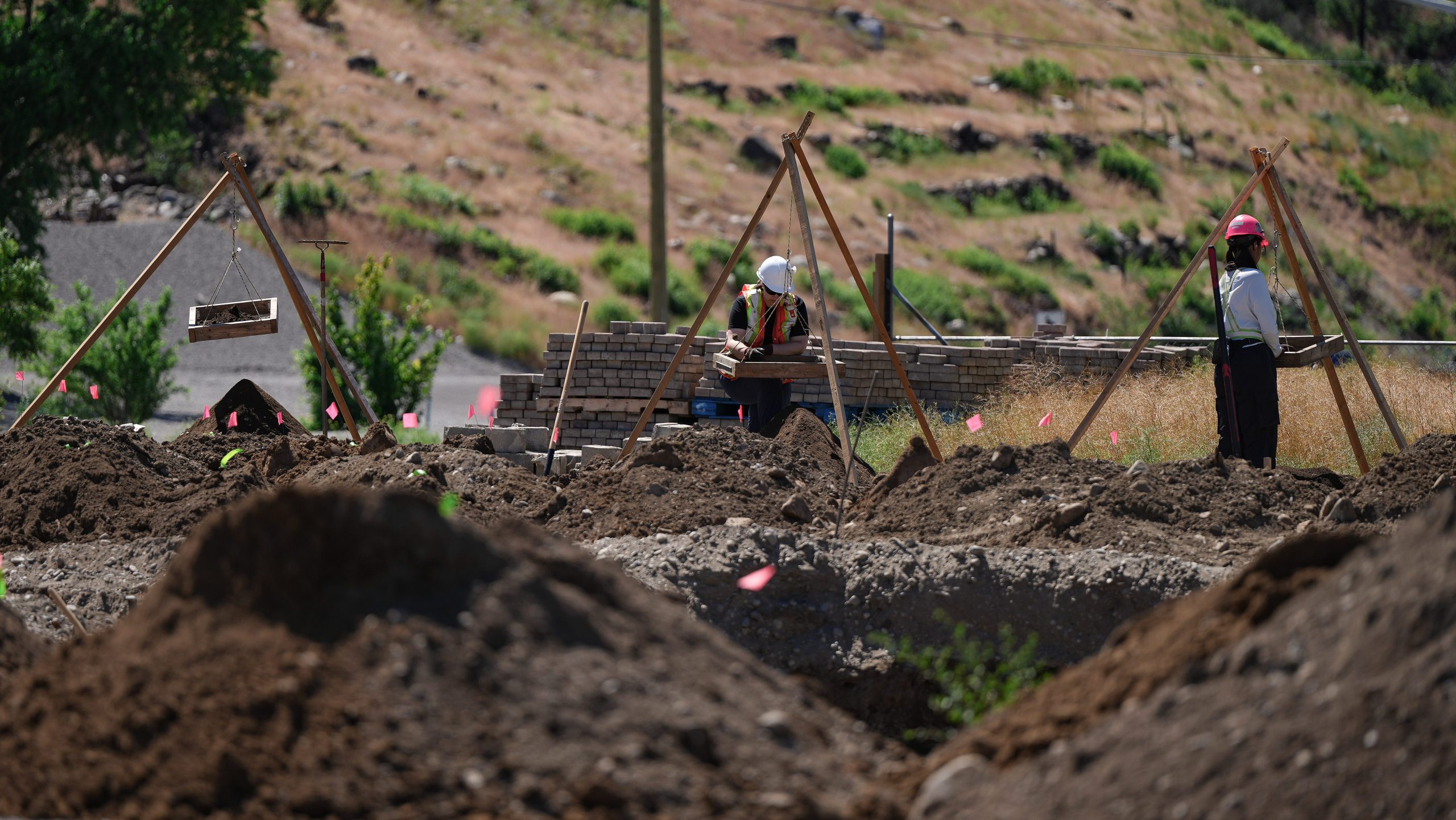
The province was challenged to support the Village of Lytton’s recovery needs. At the time of the fire, B.C.’s emergency management legislation and policy were not sufficient to guide the complex and unprecedented recovery of a whole community. In addition, the village lacked staff and funds to lead its recovery and most of the residents were uninsured or underinsured. Recovery was highly complex and included remediating soil, archaeological considerations, and rebuilding the local government.
Source: CP
B.C.’s emergency management framework did not sufficiently address disaster recovery
When the Lytton Creek wildfire occurred, the province had started modernizing the Emergency Program Act. The decades-old statute focused on emergency response (e.g., actions taken in response to an imminent or occurring emergency). It did not provide a comprehensive legal framework that established responsibilities for managing disaster recovery.
In 2019, the province introduced the Interim Provincial Disaster Recovery Framework to guide recovery activities until new emergency legislation was developed. The recovery from the Lytton Creek wildfire was the first time the province operationalized the interim framework. The policy established that local authorities were expected to lead their own recoveries, with support from the province.
In addition, the framework only provided high-level guidance. The province and its partners were required to develop detailed processes, procedures, and considerations as the village’s recovery progressed.
In 2021, Emergency Management BC was responsible for leading provincial emergency management activities, as laid out in the Emergency Program Act. This included approving and tracking recovery funding and coordinating support from various ministries. Emergency Management BC was beginning to broaden its traditional focus, from emergency response to include emergency recovery. In addition to the wildfire season, ministry staff were tasked the same year with supporting recovery from flooding and landslides linked to the November atmospheric river.
The village lacked staff and financial resources required to lead its complex and unprecedented recovery
The scale of destruction in the Village of Lytton was unprecedented for a community in B.C. The damage to buildings and the environment spanned most of the village site. The municipality’s offices were lost along with its tools for conducting business, including all bylaw records. Community members scattered, which complicated post-disaster needs assessments – a key component of recovery planning.
Before the wildfire, the Village of Lytton employed six staff, including a chief administrative officer, clerks, and public works staff. There were no bylaw officers, planners, or engineers to inform recovery planning, and no recovery manager to coordinate it. The village had a small budget and low financial reserves.
After the fire, reduced taxes and service fees further limited the village’s revenue base. At the same time, the village’s costs multiplied. It needed to hire staff with skills and experience to lead the recovery. It also needed to fund rebuilding, soil remediation, and archaeological work.
Due to its complex recovery needs and lack of financial reserves, the village was unable to leverage the province’s two emergency funding mechanisms under the Emergency Program Act.
- The act’s Disaster Financial Assistance (DFA) program provided partial (80 per cent) reimbursement for infrastructure repairs, but the village could not afford to pay the remaining 20 per cent. The village received only $48,000 of DFA funding for a public rights-of-way survey and the removal of garbage cans, planters, picnic tables, etc. from sidewalks.
- The act also allowed local authorities to borrow money to pay expenses caused by an emergency. The framework assumed the local authority had the revenue base to recover the costs of the debt. The village’s financial situation meant it would likely be ineligible to borrow the funds required.
In addition, about 60 per cent of property owners did not have fire insurance and others were underinsured. While insurance is the primary source of recovery funding following a disaster, private insurance did not cover the environmental remediation and archaeological monitoring work in the village.
Province provided significant funds but expected the village to lead its own recovery
Despite the village’s lack of staff and financial capacity, the province attempted to follow the community-led model described in the Interim Provincial Disaster Recovery Framework:
“It is important that the Province supports but does not lead community recovery…the Province’s role is to establish policy and coordination to support the community and for implementation to be actioned by the community.”
To support the village, the province expanded its recovery efforts under the leadership of Emergency Management BC and with oversight from a cabinet working group. The province assigned an assistant deputy minister and later an executive lead, to the village’s recovery. The province also assigned two parliamentary secretaries to liaise with the village council and attend community meetings.
The Ministry of Municipal Affairs supported the village with governance and municipal capacity matters (e.g., support for council-staff relations, bylaw recovery, local elections, and financial contributions).
Initially, the Ministry of Municipal Affairs and Emergency Management BC directly funded contractors to work on behalf of the village. In August 2021, the Ministry of Municipal Affairs hired a contractor to act as a recovery advisor to the village. Emergency Management BC funded a consultant to work with the village to develop a short-term recovery plan that was finalized at the end of October 2021. The short-term recovery plan supported funding requests and guided immediate recovery efforts for the village.
By late 2021 it was evident that the village would require substantial provincial funds to continue operating, as well as to pay for its recovery. The province’s first direct payment of recovery funds to the village was a $1 million grant in December 2021. In early 2022, Emergency Management BC began reimbursing the village for expenses incurred during response and early recovery stages. These reimbursements totaled almost $2 million. It also paid the village approximately $48,000 for two Disaster Financial Assistance projects.
It also paid the village approximately $48,000 for two Disaster Financial Assistance projects.
In February 2022, the Ministry of Municipal Affairs and Emergency Management BC both requested funding from Treasury Board to support municipal operations and recovery work in the village. As directed in the Interim Provincial Disaster Recovery Framework, the requests were to access Contingencies funding. After receiving Treasury Board approval, the ministries set up agreements with the village and began disbursing funds in March and April 2022. The village then hired contractors including archaeologists, environmental consultants, and a debris removal company to conduct recovery work.
As recovery progressed, it became clear that the amounts allotted in the original contribution agreements would not be sufficient. For example, the village initially budgeted $5.1 million for debris removal and soil remediation on uninsured properties, but by November 2022 the estimate of total cost at completion had changed to $16.7 million. Over time the province signed additional funding agreements with the village to support expanding costs.
Remediation complexity
Smoke and ash from wildfires can contain a variety of contaminants, such as contaminants from burned vinyl siding or vehicles. A preliminary assessment in the village identified levels of contaminants that exceeded provincial standards. Project managers contracted by the village estimated that more than 50,000 tonnes of debris and contaminated soil needed to be removed.
Remediation work occurred in tandem with archaeological work. Debris and contaminated soil removal required archaeological permits and monitoring.
Between the time of the fire and March 2025, the province disbursed over $51 million for the village’s recovery.
Throughout the village’s recovery, the two ministries continued to be actively involved, including frequent status meetings and ad hoc discussions with village staff and contractors.
Despite the support and funding from the province, the recovery process had taken longer than many hoped. This was partly due to the complexity of the village’s recovery context, such as extensive soil remediation and archaeology requirements, as well as staff and council who, due to limited capacity, could not respond effectively to the province’s community-led recovery model.
In addition, because most property owners did not have insurance or were underinsured, it was likely that many could not afford to rebuild. Residents displaced by the fire were also hesitant to return for various reasons, including the absence of services and housing.
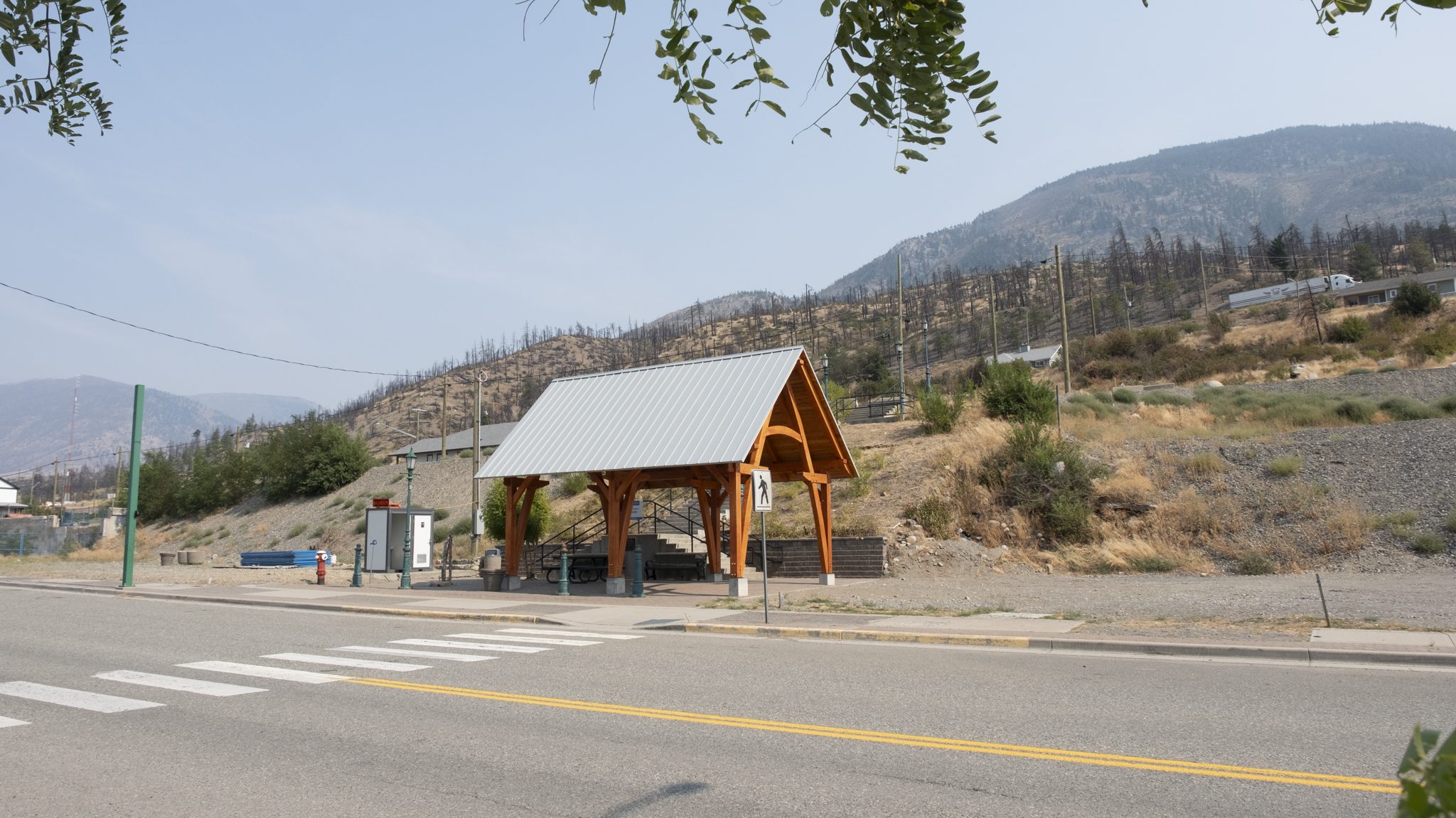
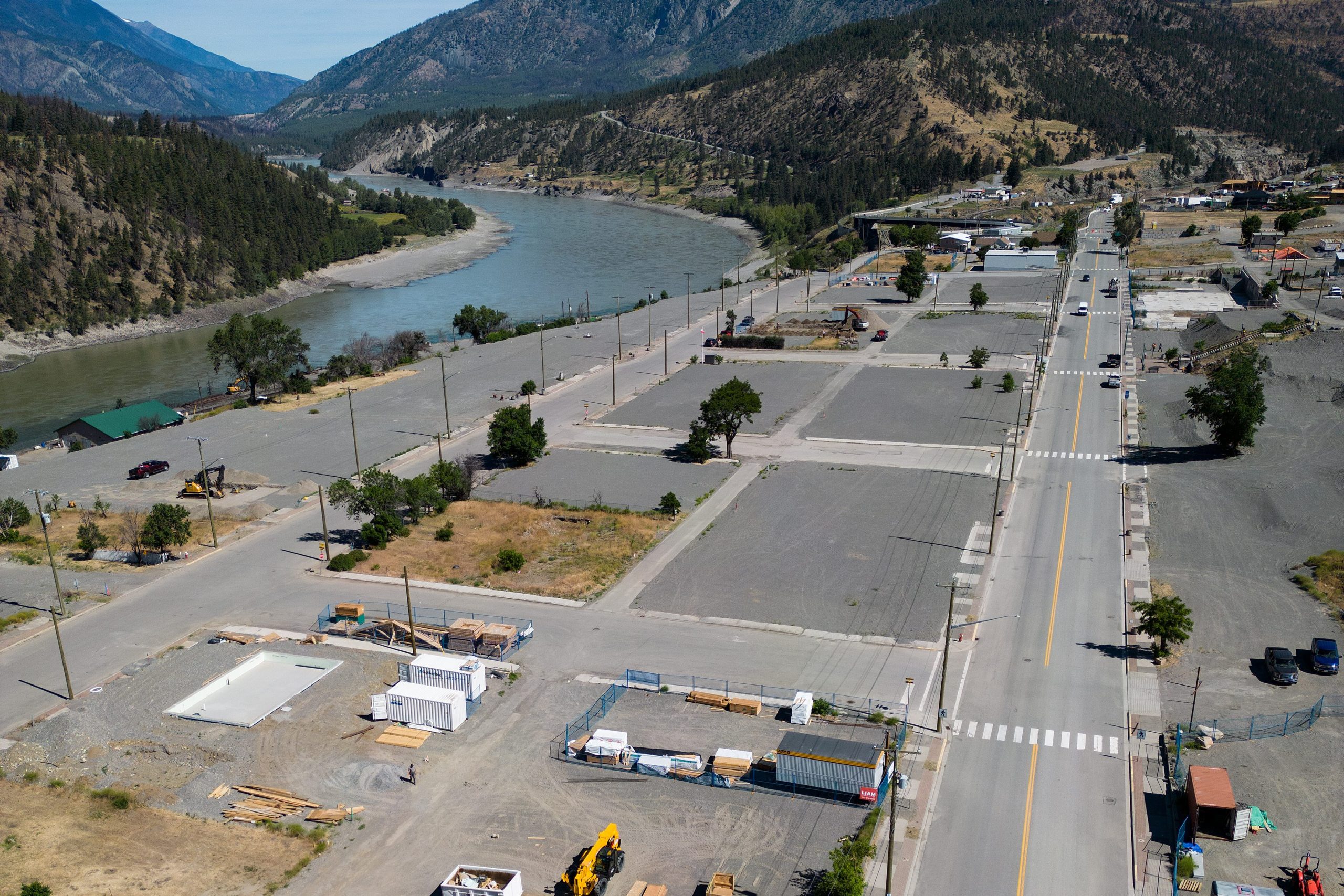
The first permit for a single-family home was issued in October 2023 and village staff reported to council in November that soil remediation was substantially complete for most of the village. By December 2023, a home was under construction.
At the end of our examination period (March 2025), 33 building permits had been issued by the village.
Source: Calvin Jones
2. Ensuring Nlaka’pamux were partners in the Village of Lytton’s recovery
However, at the time of the fire, the province’s emergency management legislation was silent regarding the role of Indigenous Peoples in emergency management. This lack of a legislative framework impeded the province’s efforts to bring together the Nlaka’pamux and the village to plan and participate in the municipality’s recovery. Ultimately, a collaborative partnership failed to emerge. This lack of collaboration was a missed opportunity for the village and the province.
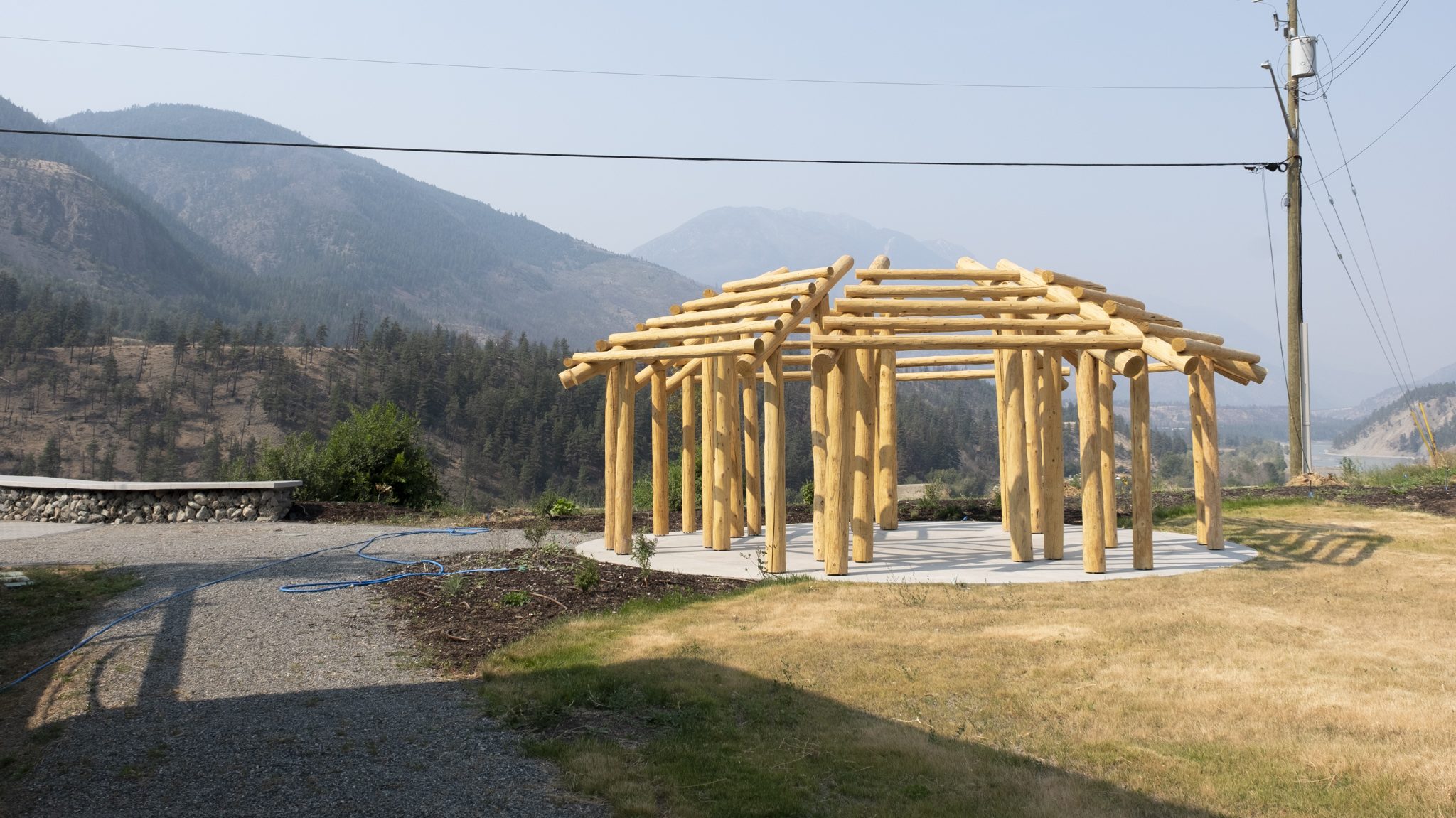
Nlaka’pamux territory includes the Village of Lytton
The Nlaka’pamux have Aboriginal title and rights in Nlaka’pamux Territory. The Nlaka’pamux Nation Tribal Council is a governing entity responsible for title and rights and represents the interests of its four member communities, which includes the Lytton First Nation. The tribal council is not a provincially or federally regulated body.
Aboriginal title
Aboriginal title is a right recognized and affirmed under Section 35 of Canada’s Constitution Act. A duty to consult is triggered where claimed or proven rights may be adversely impacted by a potential Crown action or authorization.
Regardless of whether these rights have been proven in Canadian courts, the province owes a duty to consult and accommodate whenever it contemplates taking actions that have the potential for adverse effects on claimed Section 35 rights.
Source: Calvin Jones
B.C.’s emergency management legislation was not aligned with the Declaration Act in 2021
In November 2019, B.C. passed legislation that had implications for the full inclusion of Indigenous Peoples in emergency or disaster recovery. B.C.’s Declaration Act requires provincial protection of rights specified under the UN Declaration on the Rights of Indigenous Peoples.
The UN Declaration includes the right of Indigenous Peoples to determine and develop priorities and strategies for the development or use of their lands or territories and other resources. It also includes the right to protect archaeological sites and artifacts.
At the time of the Lytton Creek wildfire, B.C. was in the early stages of aligning provincial legislation with the Declaration Act. The emergency management framework for First Nations was based on the federal Indian Act band system, with the federal government paying the province to deliver on-reserve emergency management services, including recovery, to First Nations.
One purpose of the Declaration Act is to support the affirmation of, and develop relationships with, Indigenous governing bodies. However, the province’s emergency management legislation did not reference Indigenous governing bodies at that time and would not do so until the new emergency management legislation was passed in November 2023.
Indigenous governing bodies
B.C.’s Declaration Act defines “Indigenous governing body” as an entity authorized to act on behalf of Indigenous Peoples that hold rights recognized and affirmed by Section 35 of Canada’s Constitution Act, 1982. The act states that the term “Indigenous Peoples” has the same meaning as Aboriginal peoples (Indian, Inuit and Métis peoples of Canada).
While the Interim Provincial Disaster Recovery Framework referenced the UN Declaration, it did not contemplate traditional territory or impacts on Aboriginal title and rights. It did not provide guidance on how a local authority should work with Indigenous governing bodies to recover from a disaster.
The interim framework did recognize that recovery is most effective when it leverages partnerships, and encouraged First Nations, municipalities, and regional districts to work together whenever possible. The interim framework also acknowledged that such partnerships are especially effective when smaller communities lack overall staffing capacity, impacts are spread across a wider area, or when it would be most effective to plan for a collective recovery effort.
Province’s attempts to facilitate a collaborative partnership were unsuccessful
We found the province attempted to support the village in working with neighbouring Nlaka’pamux governing bodies, mainly the Lytton First Nation and the Nlaka’pamux Nation Tribal Council. In September 2021, early in the village’s recovery, the province hired a contractor to facilitate a community recovery planning process for the village and neighbouring Nlaka’pamux communities. The process was intended to establish a collaborative planning structure with representatives from all parties to identify shared objectives and develop a plan for community recovery. We did not see evidence that this resulted in joint recovery activities.
There were also examples of Lytton First Nation and the Nlaka’pamux Nation Tribal Council offering support to the village. The village was able to benefit from the Lytton First Nation’s procurement process by directly hiring the same companies for environmental remediation and debris removal. This allowed the village to avoid a lengthy procurement process with multiple bidders, given the urgency of the situation. The tribal council offered to work with the village on a collaborative planning approach for interim housing, and the Lytton First Nation offered to let the village build interim housing on its land. Ultimately, the village did not build interim housing for its displaced residents.
Village of Lytton and neighbouring Lytton First Nation
Source: iMapBC and Google Maps
The Nlaka’pamux Nation Tribal Council’s role in the recovery of the village was limited
In July 2021, the provincial and federal governments made commitments, in writing, to the Nlaka’pamux Nation Tribal Council on how they would work with the tribal council and the Lytton First Nation on recovery from the Lytton Creek wildfire. The commitment letters recognized the Nlaka’pamux Nation’s title and rights in its territory and committed to implement the standards of the UN Declaration in all aspects of working together on actions described in the letters.
While the Village of Lytton is located within Nlaka’pamux territory, the commitments to the tribal council were made by the federal and provincial governments. Elected officials from the village were not included in the development or signing of the letters despite the municipality’s central role leading its own recovery.
In 2022, the tribal council drafted a memorandum of understanding to strengthen the relationship between itself and the village, identify priorities for recovery, and set out how the parties would work together in a manner consistent with the commitment letters, rights and title, and reconciliation. It also offered the village the opportunity to join governance tables working on implementing the commitments in the July 2021 letters.
The village did not sign the memorandum of understanding. Ultimately, the tribal council was only involved in the village’s recovery work to protect heritage artifacts and ancestral remains, under the Heritage Conservation Act.
The tribal council told us it was frustrated that the province did not compel the village to work with them on other aspects of the recovery. It described the experience as a missed opportunity to advance reconciliation in the region and to ensure all affected individuals impacted by the Lytton Creek wildfire, Nlaka’pamux and non-Nlaka’pamux, were supported.
Province and tribal council worked in partnership to address archaeology, but there were tensions the province could not mitigate
Prior to the wildfire, there were six known Nlaka’pamux archaeological sites and the presence of ancestral remains in the village. It should not have been a surprise when early recovery work triggered permitting and consultation requirements under the Heritage Conservation Act.
At the time of the wildfire, the Ministry of Forests’ Archaeology Branch had processes for regulating archaeological work on individual properties, but not for an entire community. The tribal council told us that it initiated discussions with the province about protecting archaeological sites in the village. The tribal council also prepared a heritage management plan and worked with the branch to create a streamlined umbrella permit. This enabled archaeological work across the entire community and meant that property owners didn’t need to apply for individual permits – a process that could take months. The special permit for the village was issued on March 7, 2022, the same day the application was received.
The tribal council also proposed a special archaeology advisory committee to bring together representatives from the village, the tribal council, Lytton First Nation, and the province. The Kumsheen Heritage Committee was developed to allow collaboration, review proposed activities and make recommendations to the Archaeology Branch for decision.
In March 2022, the province began providing funds to the village to hire archaeologists to conduct work during soil remediation. Similar to its contracts with other companies doing recovery work, the village directly awarded the contract for the archaeological work. The village entered into a contract with a local company established by the member communities of the tribal council. The company had workers in the area and had access to expert knowledge of Nlaka’pamux history and culture. This also aligned with the province’s Archaeology Branch requirement that archaeologists have experience working in the “cultural area”2 where they will be conducting work.
Generally, archaeology work during debris removal and site remediation involved monitoring the excavation of contaminated soil and backfilling activities. Excavated soil was inspected for archaeological materials to identify and delineate archaeological sites. Subsurface testing was then conducted to refine the boundaries of identified archaeological sites. This work was done to inform the archaeological requirements for the rebuilding phase.
During the initial phase of site remediation, the top 10 cm of contaminated soils were removed and disposed of without archaeological assessment due to the high level of contamination. This would have resulted in the loss of Nlaka’pamux artifacts.
While multiple factors (including significant debris removal, complex soil remediation, and the lack of village capacity) affected the pace of rebuilding of the village, the archaeology work became the focus of negative attention. Many residents were unwilling to accept that the work was required under provincial legislation:
- village residents were upset by the duration and cost of archaeological work;
- people associated with the village questioned whether the tribal council’s ownership of the archaeology company presented a conflict of interest;
- media coverage of delays frequently focused on archaeology work;
- employees of the archaeology company experienced hostility and racism while working in the village; and
- tribal council representatives said they were left alone to justify the protection of archaeology sites despite provincially legislated requirements.
The Lytton Creek wildfire occurred in Nlaka’pamux territory, which includes the Village of Lytton. In addition to having Aboriginal title and rights in their territory, the province’s Declaration on the Rights of Indigenous Peoples Act (“Declaration Act”), further affirmed the right of the Nlaka’pamux to be involved in the village’s recovery.
Tensions came to a head in October 2023. Residents held a demonstration over archaeology requirements. The Premier’s Office sent a senior staff member to the village in November 2023 to hear concerns. This led to the Archaeology Branch taking the unusual step of sending staff to assist with sifting for artifacts for three weeks (the Archaeology Branch is a regulator and does not typically participate in archaeology work).
Private insurance did not cover archaeological costs. The province paid for archaeological work across the village during the remediation phase. In 2024, the province also allowed the village to use provincial funds to establish a grant program (initially $5,000, then increased to $20,000) to subsidize property owners’ archaeological costs during the private property rebuilding phase.
Many of the tensions described above were present in the Kumsheen Heritage Committee, which became dysfunctional and was replaced in 2024 by a Nlaka’pamux Nation Tribal Council-Archaeology Branch technical working group. It did not include village representatives.
3. Providing oversight of the Village of Lytton’s recovery activities funded by the province
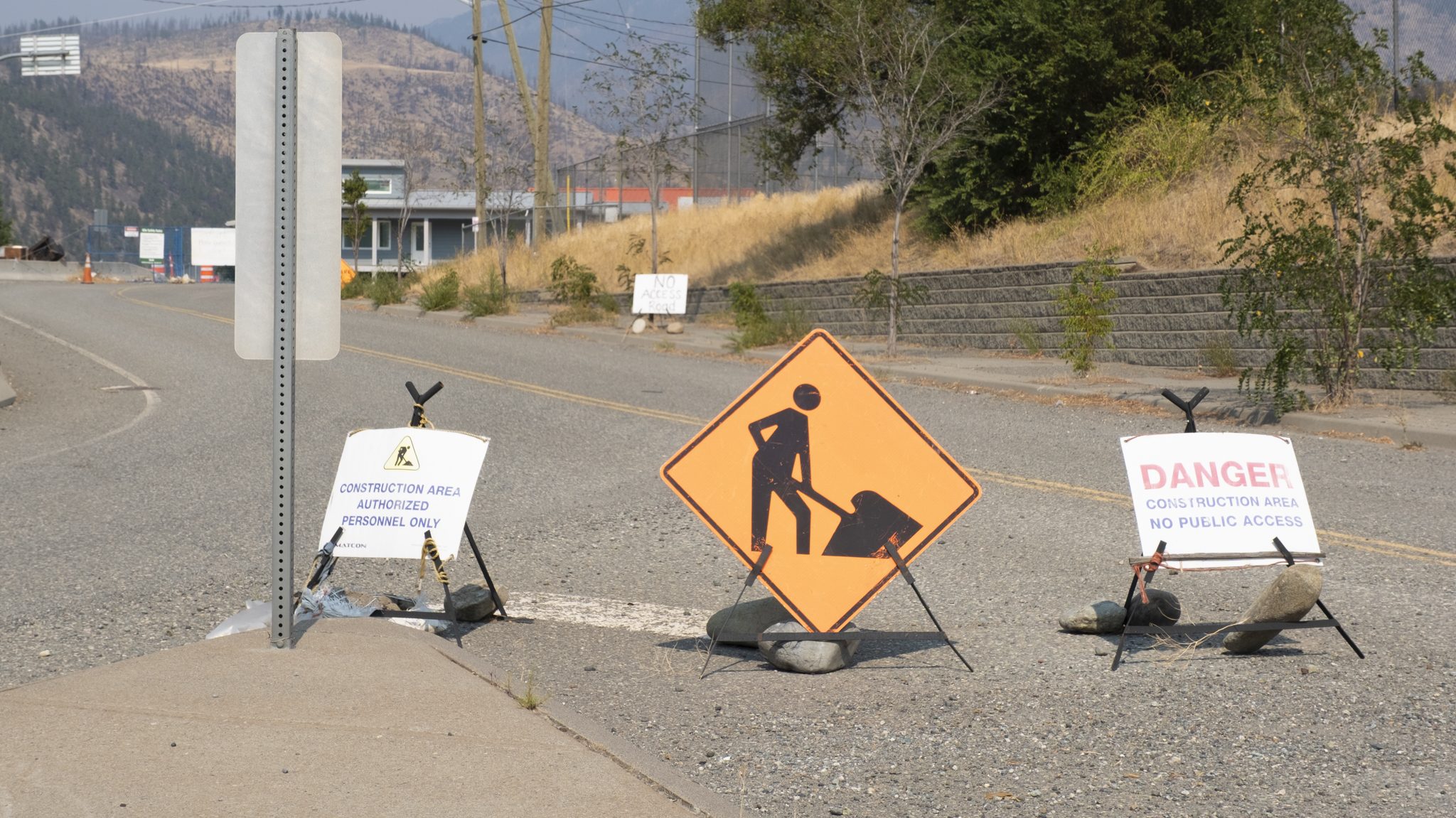
The province provided recovery funds directly to the village after it became apparent the village could not fund its own operations or recovery activities. Emergency Management BC and the Ministry of Municipal Affairs (now the Ministry of Housing and Municipal Affairs) set up a series of funding agreements with the village. The agreements established commitments totalling $61,673,839.
Provincial recovery funding agreements with the Village of Lytton, July 2021-March 2025
| Ministry | Committed | Disbursed | Remaining |
|---|---|---|---|
| Emergency Management BC/Emergency Management and Climate Readiness | $44,259,000 | $33,680,489 | $10,578,511 |
| Municipal Affairs | $17,414,839 | $14,910,000 | $2,504,839 |
| Total under agreements with Village of Lytton | $61,673,839 | $48,590,489 | $13,083,350 |
| Other funding not provided under agreements | $2,958,353 | ||
| Total funding disbursed to Village of Lytton | $51,548,842 |
Source: Calvin Jones
Provincial funding agreements required the village to report on its recovery activities
From December 2021 until January 2024, the province provided financial support to the village in lump sums and in advance of contractors performing work.
To ensure transparency and accountability, the Interim Provincial Disaster Recovery Framework required communities to report to Emergency Management BC on the status of provincially funded work. Municipal Affairs and Emergency Management BC both specified reporting requirements in each funding agreement. The requirements varied by agreement and by ministry.
For example:
- Municipal Affairs’ first agreement required the village to submit unaudited schedules of expenditures under various categories twice yearly.
- Emergency Management BC’s first agreement required quarterly “progress” reports, monthly spending reports, and a final report. The progress reports under its first agreement with the village were to include: “project progress, issues (real or anticipated), and expected activities over the next reporting period.”
Emergency Management BC received incomplete spending and progress reporting from the village
The Village of Lytton’s reporting to Emergency Management BC under its agreements was incomplete. It provided most of its monthly spending reports in 2022 but not for 2023. It never submitted quarterly progress reports or summary reports.
The absence of formal reporting, as required under the funding agreements, did not mean that Emergency Management BC staff did not know what was happening in the village. Ministry staff worked directly with the village and prepared a range of monitoring reports at various stages – including dashboards, updates to senior leaders, transition notes, and weekly reports from the Archaeology Branch.
But there was a lack of reporting from the village on whether provincial funds were being used for purposes that were agreed on. This was particularly significant because the province had paid the village in lump sums up front. Without the reports, the province could only say what it expected the village to spend under the terms of the agreements. The province could not say with certainty how funds were spent.
While there were gaps in the reporting to Emergency Management BC, the village did consistently submit its required reporting to the Ministry of Municipal Affairs during our examination period.
Emergency Management BC received incomplete spending and progress reporting from the village
In July 2023, the Ministry of Emergency Management and Climate Readiness – formerly Emergency Management BC – hired a private firm to review the village’s use of provincial funds. The objectives were to determine whether funds were used appropriately, whether all funds were accounted for, and if requirements for each agreement (e.g., reporting) were met.
The firm’s November 2023 report noted that the village’s documents were often missing and incomplete, and that frequent changes in village management resulted in information gaps. The firm could not locate contracts to support 13 of 34 procured goods and services selected as a sample.
The firm concluded in its report: “Although the management and council of the [village] were acting in good faith, it appeared that they lacked the leadership and governance capacity to manage such substantive and complex contracts.”
Emergency Management and Climate Readiness set up a reimbursement agreement with the village in 2024
In January 2024, after receiving the firm’s report, the ministry set up a new funding agreement with the village. This agreement followed a reimbursement model and included expectations that the village submit monthly financial reports, as well as a final project status report that “summarizes the outcomes of the projects along with a financial summary of all eligible costs that were incurred.”
The agreement also required the village to meet the following stipulations to retain the funding received under the agreement:
The CISO regularly provided cybersecurity updates at the board’s audit and finance committee meetings, including:
- Report monthly on engagement activities with the Lytton First Nation and the Nlaka’pamux Nation Tribal Council “in all areas of shared interests and opportunities for joint planning and collaboration.”
- Report monthly on engagement with other local authorities where neighbouring municipalities or regional districts share a mutual interest in a matter.
- Report compliance with applicable trade agreements and comply with best practice principles for procurement, such as taking accountability for procurement decisions and processes and ensuring value for money.
As of March 2025, the village had provided all required reporting under the new funding agreement. The funding agreement was extended to December 2027, after which time the village is expected to submit a final summary report.
Source: CP
Subsequent changes to provincial emergency management legislation
The Emergency Program Act was replaced by the Emergency and Disaster Management Act in November 2023. The new legislation includes provisions that are applicable to disaster recovery in small municipalities like the Village of Lytton.
Provides recovery powers to both local authorities and the province
The former act did not provide a comprehensive legal framework for recovery. The new legislation includes the option of a “recovery period” when local authorities may exercise powers like a state of emergency. For example, during a declared recovery period, a local authority could authorize the destruction of structures.
The Emergency and Disaster Management Act retains the previous act’s expectation that local authorities produce emergency management plans. In addition, local authorities are required to develop a business continuity plan that specifies how they’ll continue to provide services during an emergency.
The new legislation also provides pathways for local governments to form collaborative emergency organizations with Indigenous governing bodies and the province, rather than attempt to lead recovery alone.
- The Emergency and Disaster Management Act provides for “multijurisdictional emergency management organizations”, which can include two or more governments (local authority, Indigenous governing body, the province) to coordinate emergency management activities. When formed, the multijurisdictional emergency management organization “has responsibility, oversight, leadership and coordination of activities with respect to each phase of emergency management.”
- Local authorities can enter agreements:
- to cooperate in taking emergency measures;
- to provide and receive assistance, including in the form of financial aid, emergency resources and the use of land, in taking emergency measures; and
- to recover costs in relation to the provision of assistance.
The act creates flexibility for the province to manage local emergency response and recovery. For example, Emergency Management and Climate Readiness must approve any local declaration of a recovery period, including the recovery powers to be used. The ministry is able to order a local authority to stop using certain recovery powers. It can also order the establishment of a multijurisdictional emergency management organization, or order a local authority to join one.
Recognizes Indigenous governing bodies’ role in emergency management
The Emergency and Disaster Management Act states that effective emergency management requires the government, local authorities and critical infrastructure owners, and Indigenous governing bodies to:
- “acknowledge and respect the authority of each party;
- work towards harmonization and coordination of emergency measures, plans, policies and programs; and
- foster collaborative approaches to matters of mutual interest.”
The legislation notably recognizes Indigenous governing bodies, a definition that includes individual First Nations like Lytton First Nation but also entities authorized to act on behalf of Indigenous Peoples, like a tribal council. As noted above, Indigenous governing bodies can join with local authorities in multijurisdictional emergency management organizations.
The legislation follows the UN Declaration language of “consulting and cooperating with” Indigenous Peoples. For example, a local authority that is required to prepare a risk assessment or emergency management plan must consult and cooperate with Indigenous governing bodies.
Local authorities are also required to work with Indigenous governing bodies to identify traditional territory or treaty land that falls within the local authority’s emergency management authority. This is to ensure proper consultation and coordination during the recovery. The act also requires emergency management plans to describe “measures to promote cultural safety”, although the legislation does not define the term.
Enables emergency management agreements with Indigenous governing bodies
The Emergency and Disaster Management Act also provides a pathway for the province to establish agreements with Indigenous governing bodies, including: collaborative emergency management agreements, coordination agreements, and joint and consent-based decision-making agreements.
- Collaborative emergency management agreements are not named in the act, but are enabled under Section 8, which allows the minister to enter into various types of agreements for the following purposes:
- to cooperate in taking emergency measures;
- to provide or receive assistance including in the form of financial aid emergency resources and the use of land in taking emergency measures; and
- to recover costs in relation to the provision of assistance.
Collaborative emergency management agreements are government-to-government agreements between an Indigenous governing body and the province, and can focus on strengthening relationship-building, achieving shared interests and developing structures for collaboration in emergency management. Other governments could also be invited to join these agreements. For example, the Government of Canada is a signatory to the collaborative emergency management agreement with the Tŝilhqot’in Nation. These agreements may complement reconciliation agreements (for example, treaty or other types of reconciliation agreements).
- Coordination agreements can be made for the purpose of coordinating the exercise of statutory response and recovery powers held by the province or local authorities with the exercise of an Indigenous governing body’s rights-based authority. In these cases, a coordination agreement would include steps that support coordination of authorities related to response and recovery actions. Coordination agreements can be developed in relation to specific areas within the traditional territories of First Nations and are made between the province and an Indigenous governing body. Local authorities can also be parties to these agreements.
- Joint and consent-based decision-making agreements can require that a decision-maker exercise their decision either jointly with an Indigenous governing body or after obtaining the consent of an Indigenous governing body. A mandate from Cabinet is required prior to negotiating or entering into a joint or consent-based decision-making agreement.
Considerations to inform the development of emergency management policies and guidance
Across North America, the frequency and severity of wildfires, extreme heat events, and floods are increasing. It’s likely that at least one of B.C.’s 29 small municipalities (less than 1,000 residents) will experience a catastrophic event requiring recovery support from the province.
While the Emergency and Disaster Management Act addresses some of the challenges experienced during the Village of Lytton’s recovery, our examination identified potential gaps that the province may wish to consider as it develops policies and guidance to support implementation of the act, particularly in small municipalities.
Anticipating disaster recovery in communities with low cash reserves
The Ministry of Emergency Management and Climate Readiness should consider how it will support small communities that, for various reasons, are unable to access recovery funds as laid out in the act and its regulations.
In addition, the ministry should consider developing a recovery funding framework, approved by Cabinet or Treasury Board, to guide provincial decisions on future recovery funding. A framework would include a comprehensive description of the province’s process for funding disaster recovery outside the usual funding programs (e.g., Disaster Financial Assistance). It would also include information about eligibility requirements at different stages of recovery (short-, medium- and long-term), pathways to approval, and expectations about reporting.
Overseeing provincially funded recovery work
To provide effective oversight and support of community recovery, the Ministry of Emergency Management and Climate Readiness should consider:
- developing clear guidance for local authorities to support accountability for the use of provincial funds;
- requiring local authorities to provide financial and outcome-based reporting; and
- ensuring that reporting expectations for a community’s funding agreements are consistent to minimize the burden on those submitting reports.
Ensuring local authorities are supported in implementing Emergency and Disaster Management Act requirements
The Ministry of Emergency Management and Climate Readiness has developed documents that provide guidance to local governments navigating new expectations under the Emergency and Disaster Management Act. These include the Provincial Disaster Recovery Framework (2024), the Disaster Recovery Guide for Indigenous governing bodies and local authorities (2025), Indigenous Engagement Requirements Interim Guidance, and factsheets on multijurisdictional emergency management organizations, and cultural safety.
This guidance is an important step, but the Ministry of Emergency Management and Climate Readiness should consider whether it has provided sufficient tools and training to local governments to implement the new expectations for:
- existing staff resources, functional governance structure, and access to funding;
- capacity to consult and coordinate with Indigenous governing bodies; and
- capacity to develop an adequate recovery plan.
The guidance should also be available to local authorities and the public to ensure transparency in the roles, responsibilities and expectations across levels of government with respect to emergency management.
About the examination
We conducted this examination under the authority of Section 13 of the Auditor General Act.
We examined the Province of British Columbia’s role in the Village of Lytton’s ongoing recovery from the Lytton Creek wildfire that started on June 30, 2021.
Our office applies the Canadian Standard on Quality Management (CSQM 1), and we have complied with the independence and other ethical requirements of the code of professional conduct issued by the Chartered Professional Accountants of British Columbia that are relevant to this examination.
The observations from our examination are the factual results of the procedures we performed. This examination report is not an audit or assurance report and accordingly we do not express an audit opinion or assurance conclusion.
The procedures we conducted include both document and interview analysis. We obtained documents, and interviewed representatives, from the following provincial ministries:
- Emergency Management and Climate Readiness
- Environment and Parks
- Forests (Archaeology Branch)
- Housing and Municipal Affairs
- Indigenous Relations and Reconciliation
While our examination focused on the provincial government, we gathered information from both the Village of Lytton and the Thompson-Nicola Regional District. We would like to acknowledge that our examination touched on very difficult and personal aspects of the recovery for many of those local government officials who participated in this work. We appreciate the cooperation of these groups in this work given the challenges they were facing. We would also like to acknowledge our work with Indigenous governing bodies, specifically the Nlaka’pamux Nation Tribal Council and Lytton First Nation who were also significantly impacted by the fire. We appreciate the time these groups gave us and the information they provided. We took steps to respect the principle that First Nations have control over data collection processes, and that they own and control how this information can be used, while still maintaining our own professional standards and legislative mandate.
In July 2021, in letters to the Nlaka’pamux Nation Tribal Council, the provincial and federal governments made commitments on how they would work together with the Nlaka’pamux Nation Tribal Council and Lytton First Nation on recovery from the wildfire. These commitment letters are relevant context to our report as they established a framework for the provincial government, federal government and the tribal council to work together on recovery in Nlaka’pamux territory, territory which includes the Village of Lytton. As explained in this report, one of the significant challenges faced by the province was ensuring Nlaka’pamux were partners in the Village of Lytton’s recovery. Given the tripartite nature of the commitment letters, an assessment of whether the province fulfilled its commitments to the Nlaka’pamux Nation Tribal Council was beyond the scope of our examination.
The following statement is a direct quote from the Nlaka’pamux Nation Tribal Council:
“From the NNTC perspective, systemic constraints barring the OAG from examining the implementation of the commitment letters, has resulted in a very significant missed opportunity resulting in only part of the story of recovery being examined. The commitment letters had the opportunity to be transformative – to have built back better for everyone and to have moved all involved towards a new way of co-existing. The cost of the failure to seize that opportunity cannot be told in the OAG report. The spirit and intent of the Nlaka’pamux to be inclusive and share in what has been our homeland for thousands of years cannot be captured in a “performance against commitment” analysis. The scope of the OAG examination, being focussed on the Village of Lytton, reflects an acceptance of colonial constructs rather than a reflection of Nlaka’pamux ways. While disappointed in the limits of the OAG examination, NNTC appreciates the continued efforts made by the OAG to understand a Nlaka’pamux perspective and the impacts of the colonial system.”
We acknowledge the devasting impacts of the fire on everyone living in the area and hope that this report supports improvements to the provincial government’s approach to recovery in the future.
Examination report date: March 11, 2026
Bridget Parrish, CPA, CA
Auditor General of British Columbia
Victoria, B.C.
Appendix 1: Previous reports on the Lytton Creek wildfire
The following reports made recommendations relevant to the Lytton Creek wildfire.
Fairness in a changing climate: ensuring disaster supports are accessible, equitable and adaptable (2023) The Office
of the Ombudsperson of British Columbia investigated the province’s distribution of supports during the response phase to people impacted by the 2021 extreme weather events, including the Lytton Creek wildfire. The report made 20 recommendations, including the three paraphrased below:
- Long-term displacement: Developing plans and policy to meet the needs of people experiencing long-term displacement, considering the impacts of climate change and how people-centered programs might better support climate change adaptation and future resilience (Recommendation 18)
- Insurance: Developing public communications reflecting the current impacts of insurance on the availability of financial supports for disaster response and recovery, and developing a policy and process to reassess insurance availability in B.C. as risks increase with the impacts of climate change (Recommendation 19)
- Collaboration with Indigenous governing bodies: Working with Indigenous governing bodies to advance self-determination in emergency management, including by prioritizing capacity building for Indigenous-led emergency response and recovery and ensuring consistent, appropriate funding for Indigenous communities and organizations. (Recommendation 20)Environment and Parks
The Ministry of Emergency Management and Climate Readiness accepted all 20 recommendations. The Ombudsperson’s
Office has not yet assessed the ministry’s progress against recommendations.
An examination of the Lytton, British Columbia wildland-urban fire destruction (2022)3 The British Columbia FireSmart
Committee initiated the examination to understand the connection between wildfire conditions and how homes and
businesses in Lytton ignited and burned to destruction. The report also sought to make recommendations for best
practices for rebuilding and maintaining fire resistant communities in the Village of Lytton and Lytton First Nation
communities. The report made 33 recommendations, including the two that are paraphrased below:
- Awareness of need for collaboration: Develop an awareness program to “enhance the understanding of how the disaster occurred and the degree of collaboration that will be required to become a model wildfire resilient, ignition resistant community, thus preventing future disasters.” (Recommendation 3.1)
- Amend development and building rules: Review and amend development and building regulations, bylaws and approval processes to incorporate wildland-urban fire mitigation. (Recommendations 4.1-4.8)
The recommendations were addressed to authorities with responsibility for “planning, reconstructing and maintaining
the future Lytton community.” However, the report authors expressed hope that the recommendations would gain the
attention of “authorities at all levels with responsibility for public safety, emergency management and fire protection,
Canada-wide.”
Contents
Appendix 1: Previous reports on the Lytton Creek wildfire
The Office of the Auditor General acknowledges that we are living and working with gratitude and respect on the traditional territories of the First Nations peoples of British Columbia. We specifically acknowledge that our office is located on the traditional territories of the lək̓ʷəŋən people of the Songhees and Esquimalt Nations (Victoria).
Information presented here is the intellectual property of the Auditor General of British Columbia and is copyright protected in right of the Crown. We invite readers to reproduce any material, asking only that they credit our office with authorship when any information, results or recommendations are used.
- Other spellings of the Chief’s name include: Spintl’m and Cəxpinƛ̓m ↩︎
- The cultural areas are Interior Plateau, Northwest Coast and Subarctic/Boreal Forest. The village is located in the Interior Plateau cultural area. ↩︎
- Report prepared by Jack D. Cohen, PhD., Research Physical Scientist, Missoula, MT., and Alan Westhaver, M.Sc., ForestWise Environmental Consulting Ltd., Salmon Arm, B.C. andpublished by the Institute for Catastrophic Loss Reduction. ↩︎